Walls Ready for a Flawless Finish
Drywall Repair in Winston-Salem for homes with holes, cracks, or surface imperfections before painting
Holes from removed fixtures, cracks along seams, and dents from impacts show up clearly once fresh paint is applied, which is why drywall repair happens before any interior painting begins. Denmai Painting patches and smooths damaged drywall in Winston-Salem, blending repairs seamlessly with existing wall texture so the final painted surface looks uniform. This step matters for anyone preparing rooms for new color or updating spaces where walls have accumulated damage over time.
The repair process involves cutting out damaged sections, securing new drywall or mesh tape, applying joint compound in layers, and sanding the area flush with the surrounding wall. Each layer dries before the next is added, and the sanding stage ensures no ridges or lumps remain. Once primed, repaired areas accept paint the same way undamaged drywall does, so there's no shadowing or texture mismatch after the topcoat is applied.
Arrange a detailed estimate to identify which repairs are needed before your painting project starts.
How Repair Work Integrates with Interior Painting
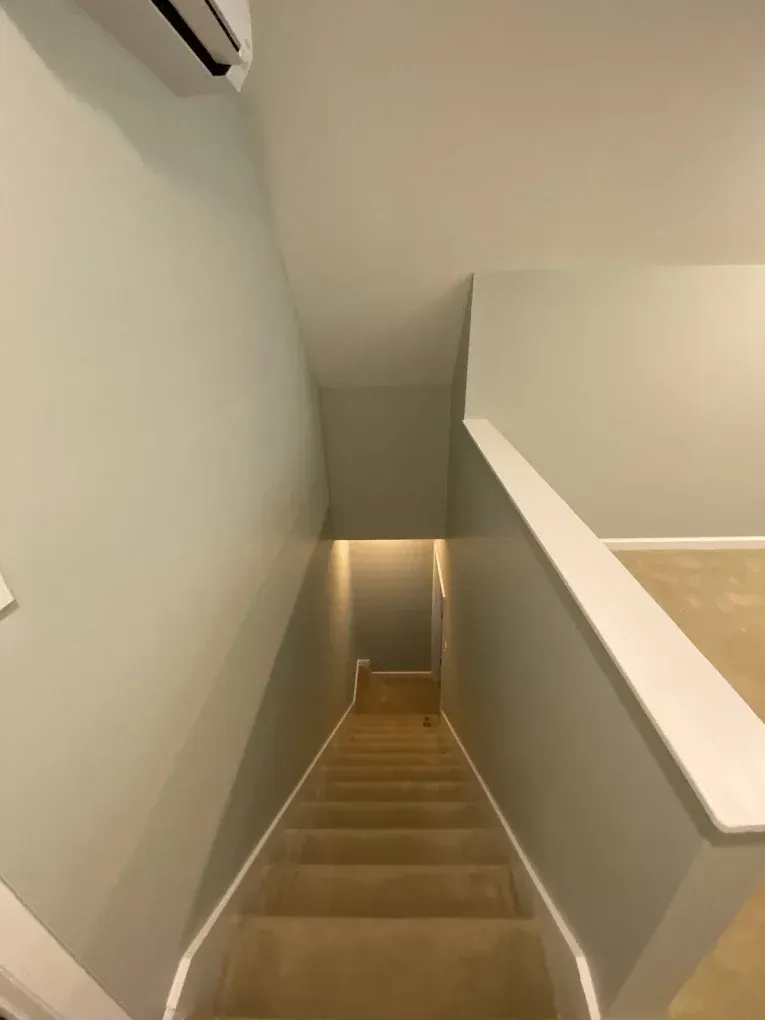
Drywall repair is typically bundled with interior painting because both services require similar prep work and finishing steps. Patching happens first, then priming, then final paint application, which means the entire process flows without scheduling separate visits. Bundling also ensures color consistency, as the same primer and paint go over both repaired and original surfaces at the same time.
After repairs are complete and painted, you won't see seams, patch lines, or texture differences when light hits the wall at an angle. The surface feels smooth to the touch, and there's no telegraphing of the repair location through the paint. This level of blending requires feathering the joint compound beyond the damaged area and using the correct grit sandpaper to avoid creating new scratches.
The service covers repairing holes up to a certain size and fixing cracks, but it does not include structural fixes like replacing entire drywall sheets damaged by water or major impacts. If water damage is present, the source must be addressed first, and any mold remediation happens before new drywall goes in. Large patchwork areas take longer to finish because multiple compound coats are needed to build up the surface level.
Common Questions About Drywall Repair
Homeowners preparing for interior painting often want to understand what gets repaired, how the process works, and how repairs will look once everything is finished.
What size holes can be repaired without replacing an entire drywall section?
Most holes up to six inches across can be patched using a backing piece and joint compound, while larger openings may require cutting out a section and installing a new drywall piece. The decision depends on the hole's location, depth, and whether the surrounding drywall is still structurally sound.
How many coats of joint compound are needed for a smooth repair?
Minor repairs typically require two to three coats, with sanding between each layer to feather the edges and build up the surface evenly. Larger patches may need more coats to achieve a flush finish that blends with the rest of the wall.
Why do cracks reappear in the same spot after repair?
Cracks often return if there's movement in the wall framing, settling in the foundation, or if the tape and compound weren't applied with enough overlap. In Winston-Salem, seasonal humidity changes can cause slight expansion and contraction, so using mesh tape and flexible compound helps prevent re-cracking.
What happens if you paint over drywall damage without repairing it first?
Paint won't fill holes or level cracks, and imperfections become more visible once the wall is coated, especially under angled lighting. Repairs must happen before priming so the final surface is smooth and uniform.
How long does joint compound take to dry before painting?
Drying time depends on humidity and the thickness of the compound layer, but most coats dry within 24 hours. Rushing this step can trap moisture under the paint and cause bubbling or poor adhesion.
Denmai Painting handles drywall repair as part of interior painting projects, ensuring walls are properly prepared before any color goes on. Schedule a consultation to review the condition of your walls and plan the full scope of your painting project.